Featured
How Creating a Healthy Financial Plan for Long-Term Secur...
See This Report on Reviewing Why Mental Health Support fo...

Unknown Facts About Developing a Sustainable Budget for L...
Table of Contents
That liberates money in the short-term, and you may have three to four years to conserve towards the settlement amount. Really unsafe to credit score scores, primarily due to missed payments and a negative "settled" mark that can remain on your credit report for approximately seven yearsMay be only choice if other choices (financial obligation loan consolidation, balance transfer credit report cards, financial debt forgiveness) aren't possibleTypically needs a fee to the 3rd party, which might offset some or all of the savings from financial debt settlementMay assist you avoid insolvency if you have actually missed several paymentsNot all creditors collaborate with financial debt negotiation companies Financial debt mercy might be best for you if you are experiencing a financial hardship that makes it almost impossible to pay down your financial obligation balances.
With a DMP, you make one regular monthly payment to the credit score therapy agency. Those funds are after that dispersed to lenders of your unprotected debts, such as charge card and installment car loans. The firm collaborates with your creditors to minimize rates of interest or forgo charges, but some lenders may refuse such giving ins.
It can aid you pay down financial debt if you're able to protect a car loan price that's lower than the typical rate of the accounts you're combining. You have to avoid from racking up financial obligation on those newly removed accounts or your financial obligation can expand also greater.

That gives you lots of time to get rid of or significantly lower your equilibrium while making interest-free repayments.
Continued Assistance Such as Aftercare Services for Beginners
You may require it if your creditor or a debt collector ever before tries to collect on the financial obligation in the future. The letter could show you do not owe what the debt collection agency's documents reveal. Yes, in many cases, the IRS considers forgiven debt as gross income. When a lending institution forgives $600 or even more, they are called for to send you Kind 1099-C.
Debt mercy or negotiation usually hurts your credit report. Anytime you settle a financial obligation for much less than you owe, it might show up as "cleared up" on your credit score record and affect your credit history for seven years from the day of settlement. Your credit history can additionally drop considerably in the months causing the forgiveness if you fall back on repayments.
Regional Initiatives for Financial Assistance for Dummies
This situation often results from underreporting income, not filing returns on time, or inconsistencies found during an IRS audit. The effects of building up tax obligation financial debt are major and can include tax obligation liens, which provide the IRS a lawful case to your property as protection for the financial obligation.
Greater rate of interest on offered credit rating. Wages and Bank Accounts IRS can levy (take) incomes and savings account to satisfy the financial debt. Lowered earnings and disruption of vital monetary processes. Property Seizure In extreme instances, the IRS can take and sell residential or commercial property to cover the financial debt. Loss of valuable possessions and potential variation.
Clinical depression, anxiousness, and various other mental health problems. Social Preconception Dealing with legal activity from the IRS can carry social stigma. Damage to reputation and connections. Work Opportunities An inadequate credit report score because of tax debt can limit job opportunity. Trouble finding or maintaining a job. Government Advantages Tax financial debt might influence qualification for federal government benefits, such as Social Safety And Security and Medicaid.
Everything about Lasting Impact on Your Credit History
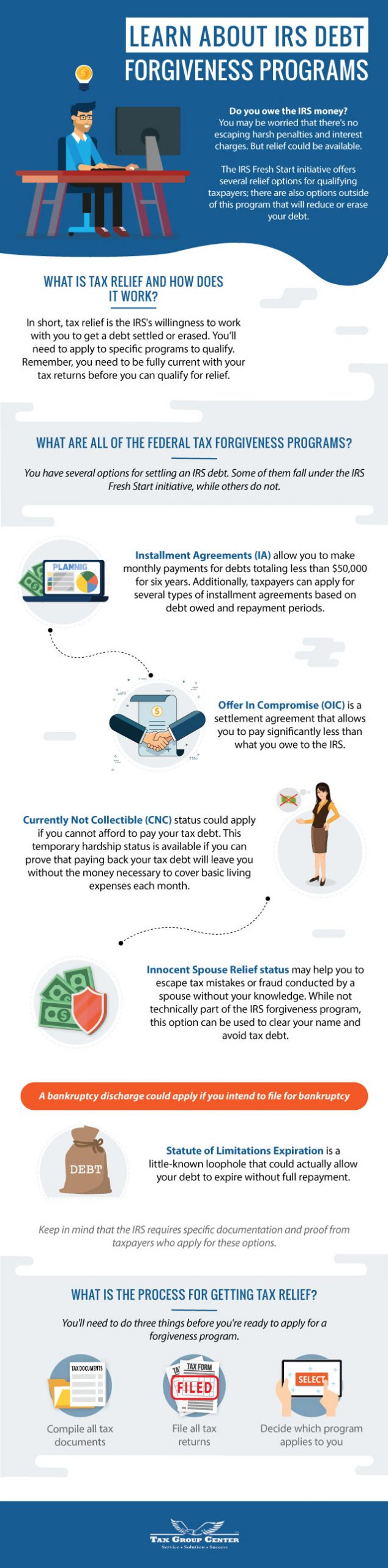
The OIC considers several elements, including the taxpayer's income, costs, asset equity, and capability to pay. Successfully working out an OIC can be complex, calling for an extensive understanding of the internal revenue service's standards and a strong disagreement for why your offer straightens with your capability to pay. It is essential to keep in mind that not all applications are accepted, and the procedure needs in-depth financial disclosure.
The internal revenue service examines your total economic circumstance, including your revenue, costs, property equity, and capability to pay. You must additionally be current with all filing and repayment requirements and not be in an open personal bankruptcy case. The internal revenue service also considers your compliance history, assessing whether you have a document of prompt filing and paying tax obligations in previous years.
The "Debt Forgiveness Is Embarrassing" Corrected Ideas
The application procedure for a Deal in Compromise involves numerous detailed actions. Initially, you have to finish and submit internal revenue service Form 656, the Deal in Compromise application, and Kind 433-A (OIC), a collection info statement for people. These types require comprehensive financial information, including information concerning your income, financial obligations, costs, and properties.
Back tax obligations, which are unpaid taxes from previous years, can significantly raise your complete internal revenue service financial obligation if not dealt with immediately. This financial debt can accrue passion and late payment charges, making the original amount owed a lot larger gradually. Failure to pay back taxes can lead to the IRS taking enforcement activities, such as providing a tax obligation lien or levy against your building.
It is important to resolve back tax obligations immediately, either by paying the sum total owed or by setting up a layaway plan with the IRS. By taking proactive steps, you can avoid the buildup of extra interest and fines, and protect against more hostile collection actions by the IRS.
One common factor is the idea that the taxpayer can pay the total either as a swelling amount or via a repayment strategy. The IRS also thinks about the taxpayer's earnings, expenditures, possession equity, and future earning capacity. If these elements show that the taxpayer can afford to pay more than the provided quantity, the internal revenue service is most likely to decline the deal.
10 Easy Facts About Legal Changes Impacting Bankruptcy Procedures Explained
It is critical to provide exact and full information in your application and to seek advice from a tax obligation professional to improve the opportunities of approval. Managing IRS financial obligation can be intricate and challenging. Tax specialists, such as CPAs, tax attorneys, or enlisted representatives, can offer indispensable support. They have the experience to navigate the intricacies of tax regulation and IRS procedures.

Table of Contents
Latest Posts

How Creating a Healthy Financial Plan for Long-Term Security can Save You Time, Stress, and Money.
See This Report on Reviewing Why Mental Health Support for Veterans Matters More Than Ever Providers to Select the Ideal Fit

Our This Organization Method to Reach Debt Freedom Diaries
More
Latest Posts
How Creating a Healthy Financial Plan for Long-Term Security can Save You Time, Stress, and Money.
See This Report on Reviewing Why Mental Health Support for Veterans Matters More Than Ever Providers to Select the Ideal Fit
Our This Organization Method to Reach Debt Freedom Diaries